
Ready and Resilient? (Lessons from Breast Cancer)
Life is full of uncertainty, but one certainty is that the unexpected will occur and life will present challenges.
This is not the view of a pessimist; I am resolutely an optimistic person!
Nor do we need to be afraid of change, uncertainty, challenge. It’s just a fact of life. It is as it is and often an opportunity to learn, grow and throw off that which no longer serves us.
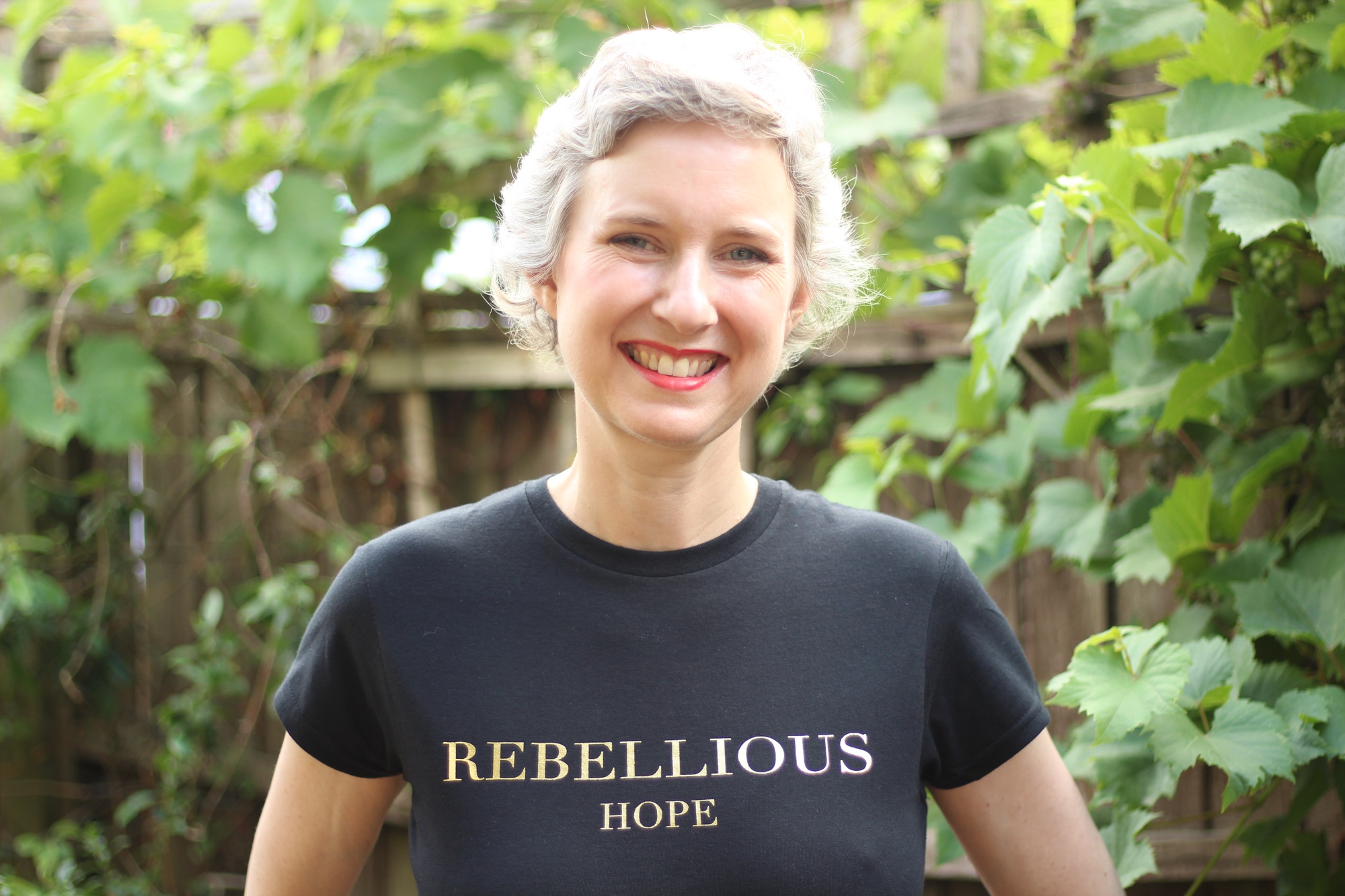
But being ready for the difficult certainly helps, as I discovered in May 2021 when I was diagnosed with breast cancer at the age of 44. I was finally discharged in spring 2022 after a relentless and rollercoaster year of 4 surgeries (plus 1 emergency one due to a cut artery…), chemotherapy, radiotherapy, as well embracing selective alternative treatments. All whilst managing the demands of a 3-4 year old..!
People seem surprised that I have coped so well; my experience has been that I have just been ‘getting on with it’…(with of course highs and lows along the way). Reflecting though, I see how my long interest in personal development and training as a coach have prepared me and seen me through this rocky path.
So how ready are you? Ready for the next hiccup, be it a health scare, redundancy, loss, ‘failure’, relationship crisis or global pandemic.
I’ve picked out a few strategies that have been essential to me navigating my cancer journey, but are equally relevant to many of life’s challenges.
How good are you currently at the following? Which could you improve at? How ready and resilient are you?
1. FACE REALITY
Accepting reality is an essential and empowering early step. It can be hard to acknowledge the truth of a matter. We may deny, minimise or ignore what’s happening in our life, or instead get stuck in a strong emotional response, such as anger, grief or fear. Whilst allowing (and examining) all emotions can be helpful, facing and accepting the facts frees up energy. Note – this doesn’t mean we have to like or want the reality! But it creates a more resourceful mindset and brings with it a degree of peace.
2. TAKE CHARGE
You might not have chosen your circumstances, but you can choose your response. Let go of what you can’t change (i.e. accept reality) and turn your attention to what you can control or improve. Don’t give up and don’t give away your power; engage with your current reality, educate yourself, be your own advocate and put your focus on what you want and what you can do to help yourself.
3. ENLIST EXPERTS
Know your own limitations. I read a lot when I found out my cancer diagnosis, but if I want to act quickly and intelligently, I’m never going to compete with someone who has 20 years of expertise behind them. As well as the amazing NHS medical experts, amongst others, I am lucky enough to have had the support of a research-loving cancer-specialist nutritionist on my ‘team’. Depending on your challenge, maybe you need a fitness instructor, mentor, coach, financial adviser, counsellor or the advice of a someone who has been in your shoes.
4. TRUST YOURSELF
At the end of the day though, you have to live with the decisions you make. There will be conflicting advice from experts or friends, different paths you can take, but only you can choose (even handing over the choice to someone else is a choice…). What’s your relationship like with your inner voice, your higher self, your intuition? Whatever happens, whether things turn out for the best or the worst, it’s going to be easier to accept ultimately if you followed the wisdom of your own heart.
5. BUILD A SUPPORT NETWORK
Or in other words, how good are you at creating and maintaining relationships?! Of course it’s about giving as well as ‘getting’, but these people will be your lifeline, inspiration and comfort in a crisis. Invest in family life or new friendships now if it’s an area you’ve been neglecting. Prioritise and be there for those you care about. If you really feel there is no one you can turn to, remember there are online forums, support groups, helplines and charities to assist people in most kinds of situation.
6. ACCEPT AND ASK FOR HELP
I am very independent and sometimes found it uncomfortable taking up offers of help during my cancer treatment, especially from neighbours or people I did not know as well. Treat it as a lesson in humility. OK, be uncomfortable, but then just say yes and be grateful! 🙂 Remember that people want to help you – imagine if it were the other way around. In a way you are giving them a gift by allowing them to show their care and support.
7. CULTIVATE A POSITIVE MINDSET
To some it comes naturally, for others it requires discipline to direct the mind positively. A positive outlook does not mean always being happy or fake happy, denying other emotions. But it can be useful to know how to change your state, be it through exercise, putting on some upbeat tunes, doing something you love or turning your attention to what you are grateful for. Also, protect your positivity ruthlessly, especially in times of difficulty; read/watch and choose to spend time with those that uplift and strengthen you.
8. ENJOY THE SIMPLE THINGS
What do you enjoy that costs nothing/not much and requires no one else? I chose to really limit who I saw during my chemotherapy due to the increased risk of COVID/sickness and generally wanting to power through it and be done! The fact that I like my own company and love walking in nature, reading, writing, good food and dancing around meant that I did not mind this more reclusive and low energy phase of my life. Which simple things bring you joy? Notice them, appreciate them, nurture them.
9. MAINTAIN PERSPECTIVE
Remember that there is usually someone worse off than you…. Remember that there is probably a lot that you can still be thankful for…Remember, as Abraham Lincoln said, that ‘This too shall pass’… Where possible, see if you can reframe your situation. Jokingly and quite seriously, I see my year of cancer treatment as my mid-life physical and spiritual upgrade! Like a car parked in a garage, I’ve been getting an overhaul! Frame it positively.
10. PUSH OR PULL?
You need to know yourself for this one. Do you tend to push yourself too hard or not enough? Do you need to pull back or push through? The answer may vary daily. There were times during my treatment where I could only crawl along the path outside for a few minutes and I was motivated by trying to get further each day. But chemotherapy and blood loss are not always things you can or should push through and I had to listen to my body and find the right balance. Life challenges can take a lot out of you, so take care of yourself, be kind to yourself; and when you’re done resting or healing or hibernating, stoke the fire in your belly and embrace fully getting back out there.
Katherine is inspired to share her story and get employees thinking about their own readiness and resilience. If your organisation would be interested in a talk or engaging with Katherine as a coach, please send me a message via our Contact Page https://bartoninsights-com.stackstaging.com/contact/ It would be great to speak with you.